The short answer
A heat pump installation makes sense when your furnace or AC is failing, expensive to keep running, or you want one efficient system for heating and cooling. We inspect your home, ducts, and electrical capacity first, then lay out repair and replacement options so you can decide.
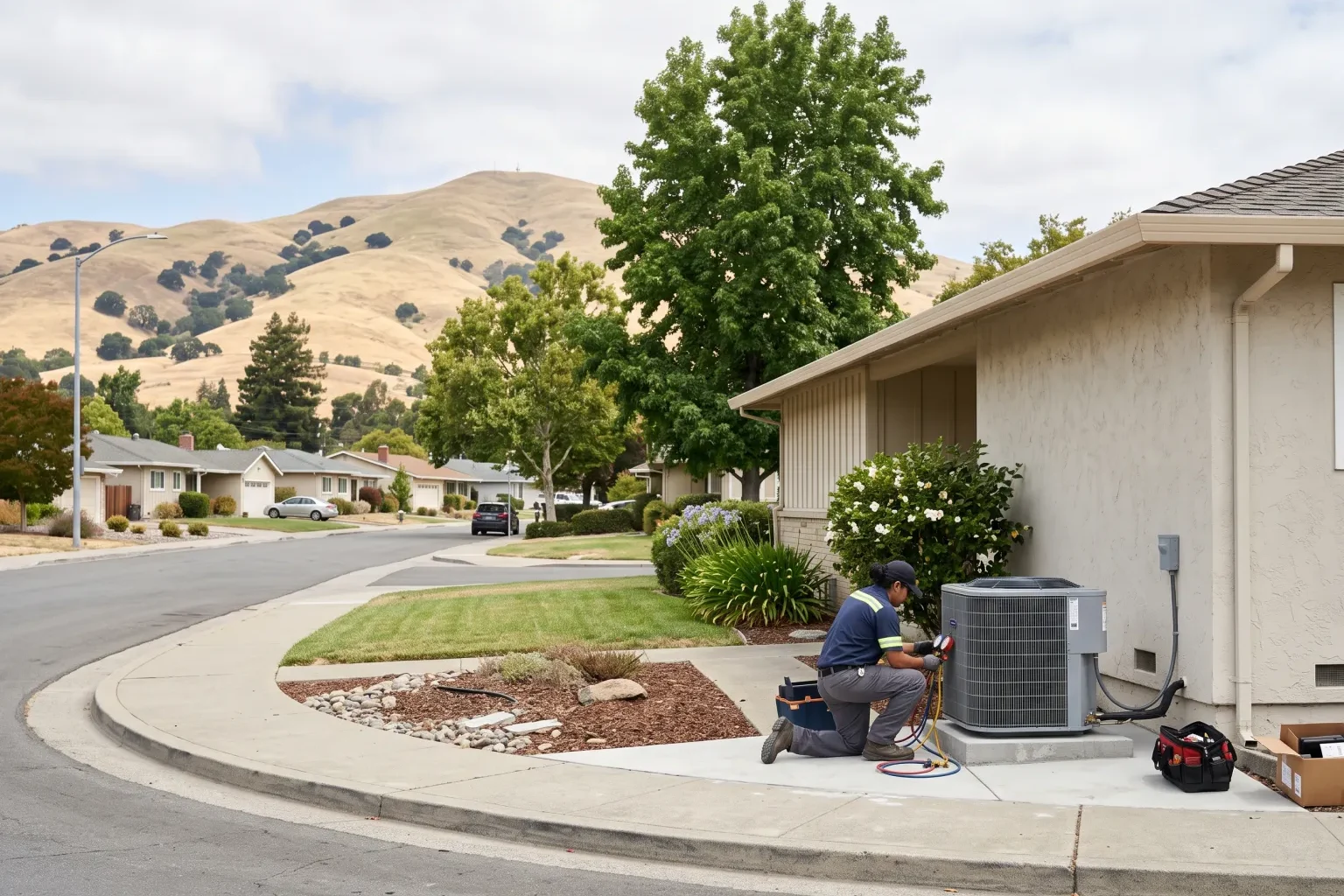
A heat pump heats and cools your home with one system. Instead of burning fuel to make heat, it moves heat indoors in winter and outdoors in summer. For many homeowners in Fremont, Newark, Union City, Milpitas, and San Jose, it's a practical replacement for an aging furnace, an older air conditioner, or both at once. PrimeAir HVAC Repair Service installs ducted and ductless heat pumps, and we repair existing heat pumps too, so we're not going to push a new system when a repair makes more sense. This page covers when installation is worth considering, what we look at before recommending anything, what drives the cost, and how a visit works from the first call to the final walkthrough.
Signs It May Be Time for a Heat Pump
Most people start thinking about a heat pump when something they already own stops working well. These are the situations we see most often:
- Your furnace or air conditioner is old and needs repairs more and more often.
- A major part has failed, such as a compressor, heat exchanger, or blower motor, and the repair is a big share of what a new system would cost.
- Some rooms run much hotter or colder than others, even with the thermostat set the same.
- Summer cooling can't keep up on the hottest afternoons.
- You want to stop using gas for heating, or you're planning other electrification work.
- You're adding a room, converting a garage, or finishing space that your current ducts don't reach.
- Your energy bills have climbed without a clear change in how you use the system.
What We Check Before Recommending Anything
A heat pump has to be matched to your house, not just to the old unit's label. Before we suggest a size or type, we look at the whole picture:
- The condition and age of your current furnace, air conditioner, or heat pump.
- Ductwork: leaks, crushed or disconnected runs, insulation, and whether sizing fits the airflow a heat pump needs.
- Your electrical panel and available capacity for a heat pump circuit.
- A room-by-room heating and cooling load estimate based on square footage, windows, insulation, and sun exposure.
- Where the outdoor unit can go, including clearance, drainage, noise toward neighbors, and access for service.
- Thermostat compatibility and wiring.
- Comfort problems you've noticed, like drafts, humidity, or rooms that never feel right.
Repair vs. Replace: Your Options
If you already have a heat pump, a repair is often the right first step. Refrigerant leaks, failed capacitors, faulty defrost controls, worn fan motors, and thermostat problems can usually be fixed without replacing the system. If the unit is relatively young and the problem is isolated, we'll tell you that.
Replacement starts to make sense when the compressor fails on an older unit, when repairs keep stacking up, or when the system was sized wrong from the beginning. If you're coming from a furnace and AC, you have a few paths: a full ducted heat pump that replaces both, a dual-fuel setup that pairs a heat pump with an existing working furnace, or ductless mini-splits for homes without ducts or for specific rooms.
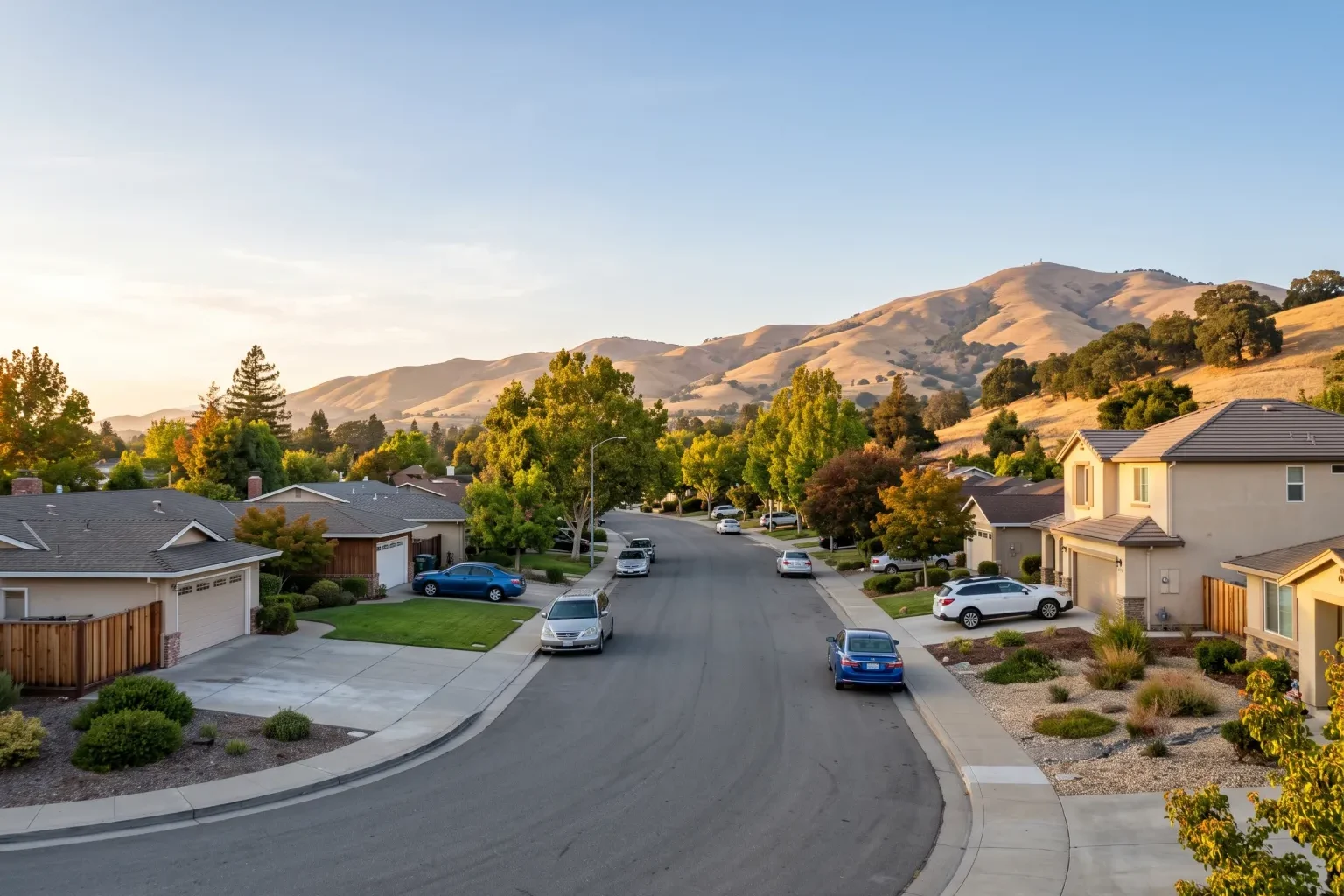
In the Santa Clara Valley and nearby areas, summers are dry and winters are mild and damp, with inland spots running noticeably hotter in summer than areas near the Bay. That climate suits heat pumps well, and it also means cooling capacity matters as much as heating when we size a system. We'll explain the trade-offs of each option in plain terms and let you choose.
What Affects the Cost
Every installation is different, so we quote after we've seen your home. These are the main factors that move the price up or down:
- System type: ducted, ductless, or dual-fuel.
- Capacity and efficiency level of the equipment you choose.
- Number of indoor units or zones for ductless systems.
- Duct repair, sealing, or replacement needed to support proper airflow.
- Electrical work, including a new circuit or a panel upgrade.
- Removal and disposal of your old furnace, air conditioner, or heat pump.
- Outdoor unit placement, mounting pads, and line set length.
- Permits and inspections required by your city.
- Any incentives you qualify for at the time of installation.
Rules and Incentives to Know About
Bay Area Air District rules don't require you to replace working equipment. They apply only when an existing furnace or water heater fails or is replaced. Under the furnace rule, natural gas furnaces manufactured from 2029 must meet a zero-NOx standard, which in practice points homeowners toward heat pumps for furnace replacements after that date. A separate zero-NOx date for small water heaters was set for 2027, but the Air District Board is considering amendments in November 2026 that could delay it, so check the current rule before planning a water heater replacement.
The federal Energy Efficient Home Improvement Credit only covered qualifying heat pumps placed in service before December 31, 2025, and it isn't available for new installations. BayREN and your local clean energy provider may offer heat pump or electrification incentives. Amounts change by funding cycle, so we confirm the current offer before including it in a quote.
How a Visit Works
It starts with a conversation about what's going on: what system you have, what's bothering you, and what you'd like to change. Then a technician comes out to inspect your equipment, ducts, electrical panel, and the spaces you want to heat and cool.
After the inspection, we walk you through what we found and give you a written quote with your options side by side, including a repair if one makes sense. There's no pressure to decide on the spot.
On installation day, we protect floors and work areas, remove the old equipment, install and connect the new system, and test heating and cooling modes. Before we leave, we show you how to use the thermostat, explain basic upkeep like filter changes, and answer your questions. If your heating or cooling fails outright, we offer 24/7 emergency service so you're not left without comfort while you plan next steps.
Heat Pump Installation by city
- Heat Pump Installation in Union City
- Heat Pump Installation in Newark
- Heat Pump Installation in Hayward
- Heat Pump Installation in Menlo Park
- Heat Pump Installation in East Palo Alto
- Heat Pump Installation in Redwood City
- Heat Pump Installation in Foster City
- Heat Pump Installation in San Leandro
- Heat Pump Installation in Atherton
- Heat Pump Installation in Pleasanton
- Heat Pump Installation in Mountain View
- Heat Pump Installation in San Carlos