The short answer
Central AC installation in East Palo Alto starts with a load calculation, a check of your ducts and electrical panel, and a choice between a standard AC and a heat pump. Bay Area rules will push gas furnace replacements toward heat pumps from 2029, so many homeowners who need both cooling and heat consider a heat pump now.
Many East Palo Alto homes were built without central air because the Bay kept summers mild. That is changing as warm spells get longer and more homeowners want reliable cooling. PrimeAir HVAC Repair Service installs central air conditioners and heat pumps for homes in East Palo Alto and nearby San Mateo County communities. Our base in Fremont is about 8 miles away. This page covers what an installation involves here, how to choose between a standard AC and a heat pump, and how to plan around current Bay Area rules.
Sizing AC for East Palo Alto's Climate
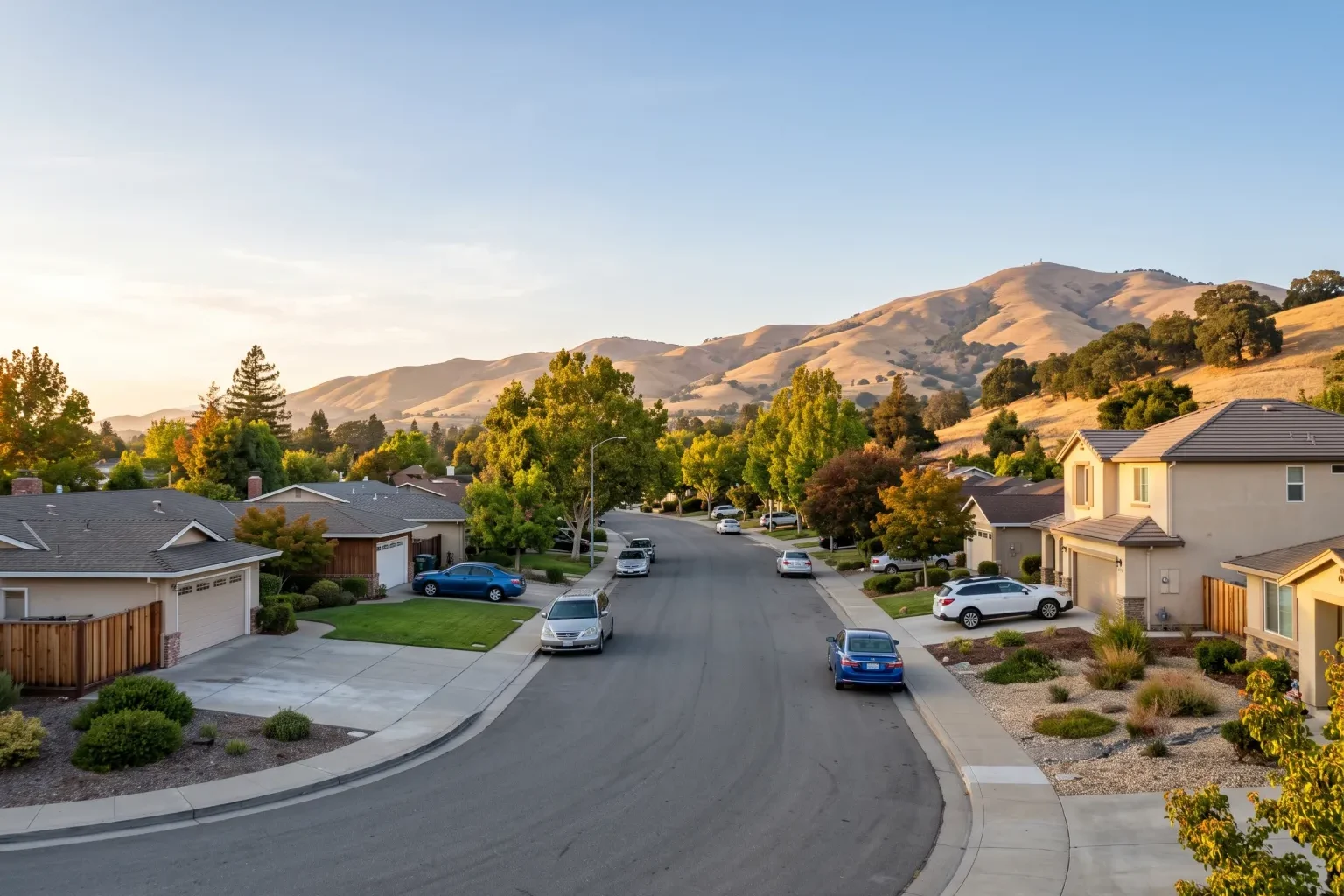
East Palo Alto sits close to the Bay at the north end of the Santa Clara Valley. The region has a Mediterranean climate with dry summers and mild, damp winters. Areas near the Bay usually stay cooler than inland and southern parts of the valley. That means many homes here need less cooling capacity than a house in a hotter inland area.
An oversized system cools the house quickly and then shuts off. It runs in short cycles, removes little moisture, and wears parts faster. An undersized system runs constantly on the hottest afternoons. We size each system with a room-by-room load calculation. It accounts for insulation, window area and direction, ceiling height, and air leakage. We don't base the size on square footage alone or on the size of the old unit.
What We Check Before Installing
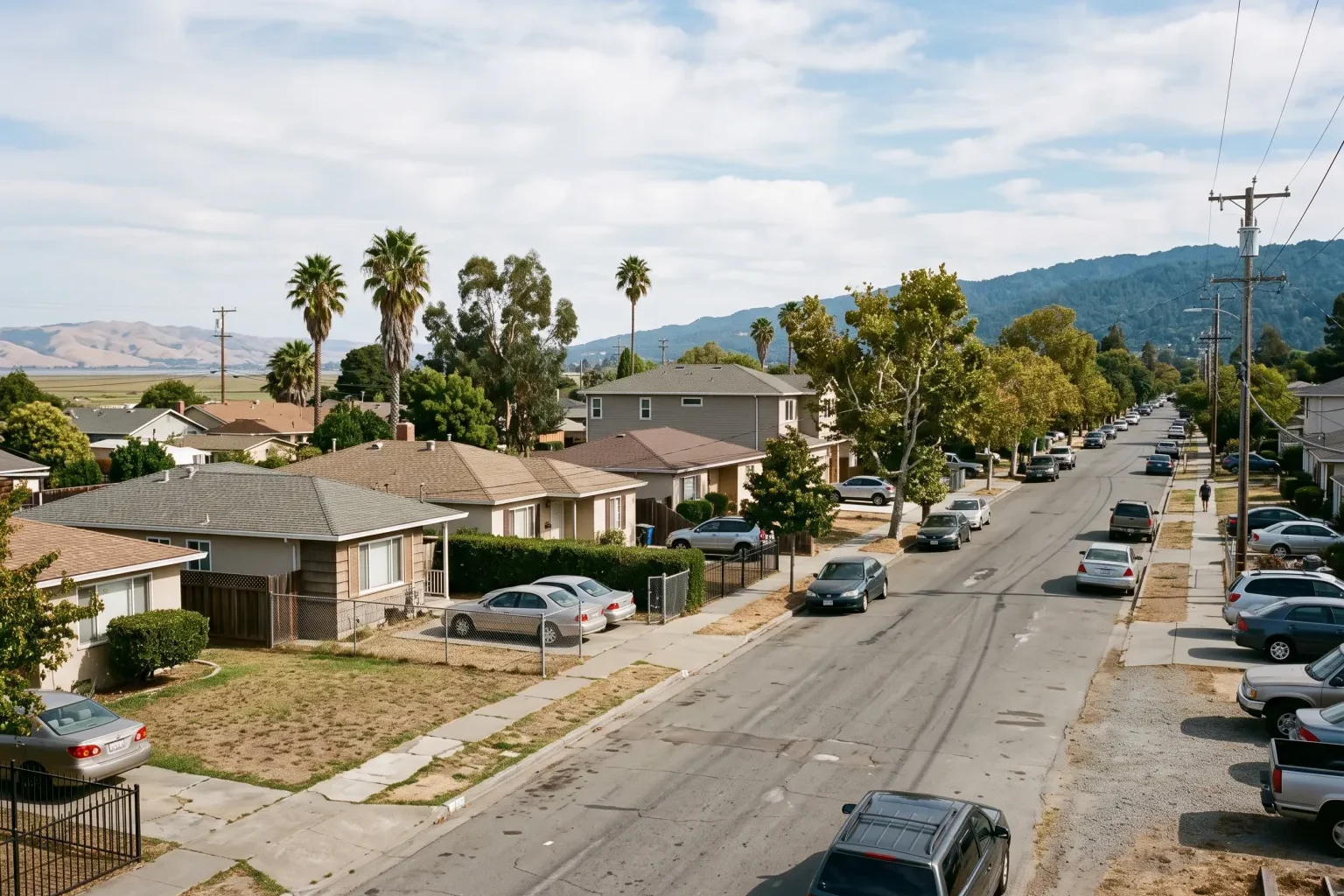
Homes in East Palo Alto vary a lot. Some are older single-story houses with a furnace and no cooling, some have been remodeled, and some have add-on rooms. Before we recommend equipment, we look at the parts of the house that decide how the job will go.
- Ductwork: whether existing furnace ducts are large enough to carry cooled air, and whether they leak or need sealing
- Electrical panel: whether there is capacity and space for a new circuit, which matters even more for a heat pump
- Outdoor unit location: clearance, noise toward neighbors and bedrooms, and a stable pad
- Condensate drainage: where water from the indoor coil will go
- Homes without ducts: whether a ductless mini-split is a better fit than adding ductwork
Central AC or Heat Pump?
A standard central AC only cools and works alongside your existing furnace. A heat pump uses the same kind of equipment to cool in summer and heat in winter. Because local winters are mild, a heat pump can handle heating for most homes here without trouble.
Rules are a factor too. Under Bay Area Air District Rule 9-4, natural gas furnaces manufactured from 2029 must meet a zero-NOx emission standard. In practice, that points homeowners toward heat pumps when a furnace is replaced after that date. The rules do not require you to replace working equipment. They apply only when an existing furnace or water heater fails or is replaced. If your furnace is aging and you're adding cooling anyway, one heat pump installation now may save you a second project later. If your furnace has plenty of life left, a standard AC paired with it is still a reasonable choice.
If you're also thinking about a water heater, check the current rule first. The zero-NOx date for small water heaters under Rule 9-6 was set for 2027. The Air District Board is considering amendments in November 2026 that could delay it.
Incentives and Tax Credits
The federal Energy Efficient Home Improvement Credit (25C) covered qualifying heat pumps placed in service before December 31, 2025. It is not available for new installations after that date. Local options may still exist. Bay Area homeowners can check BayREN and their local clean energy provider for current heat pump and electrification incentives. Amounts and availability change with each funding cycle. We confirm the current offer before including it in a quote, so you aren't counting on money that has run out.
How an Installation Day Works
Most installations take one to two days, depending on whether ducts, electrical work, or a new pad are needed. We protect floors and work areas and set the indoor coil and outdoor unit. Then we run the refrigerant lines, connect the thermostat, and charge the system to the manufacturer's specifications. Before we leave, we test airflow and temperature at the registers and show you how to use the thermostat and change the filter.
We also serve homeowners in Menlo Park, Atherton, Redwood City, Mountain View, and Newark. We offer 24/7 emergency service if an existing system fails during a heat spell.
More services in East Palo Alto
- AC Repair in East Palo Alto
- Heating Repair in East Palo Alto
- Heat Pump Installation in East Palo Alto
- Furnace Repair in East Palo Alto